

Ginkgo biloba - seeds (maidenhair tree)
Ginkgo biloba - seeds (maidenhair tree)
Ginkgo biloba, the maidenhair tree: seeds of the sole survivor of the order Ginkgoales, a group that appeared more than 250 million years ago and whose other species have all disappeared. It is neither a conifer nor a broadleaf tree: it is a separate branch of the tree of life.
Couldn't load pickup availability
Expédié depuis le Jura - Paiement sécurisé - Retrait possible à Francheville
What you receive
What you receive
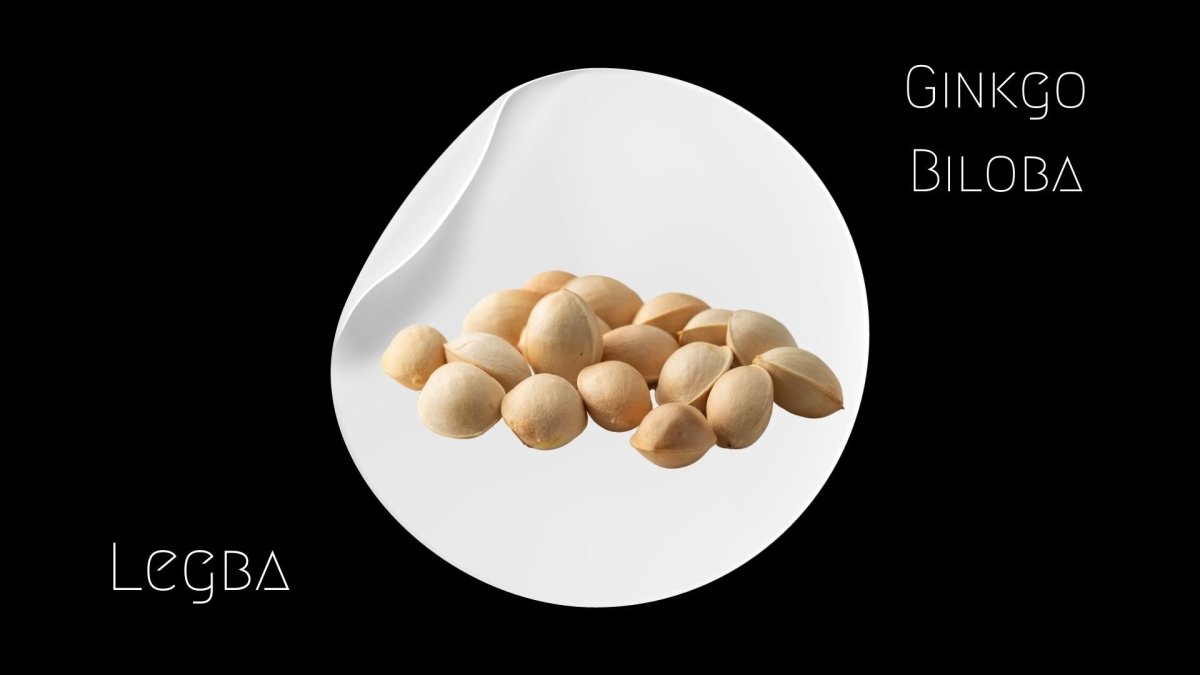
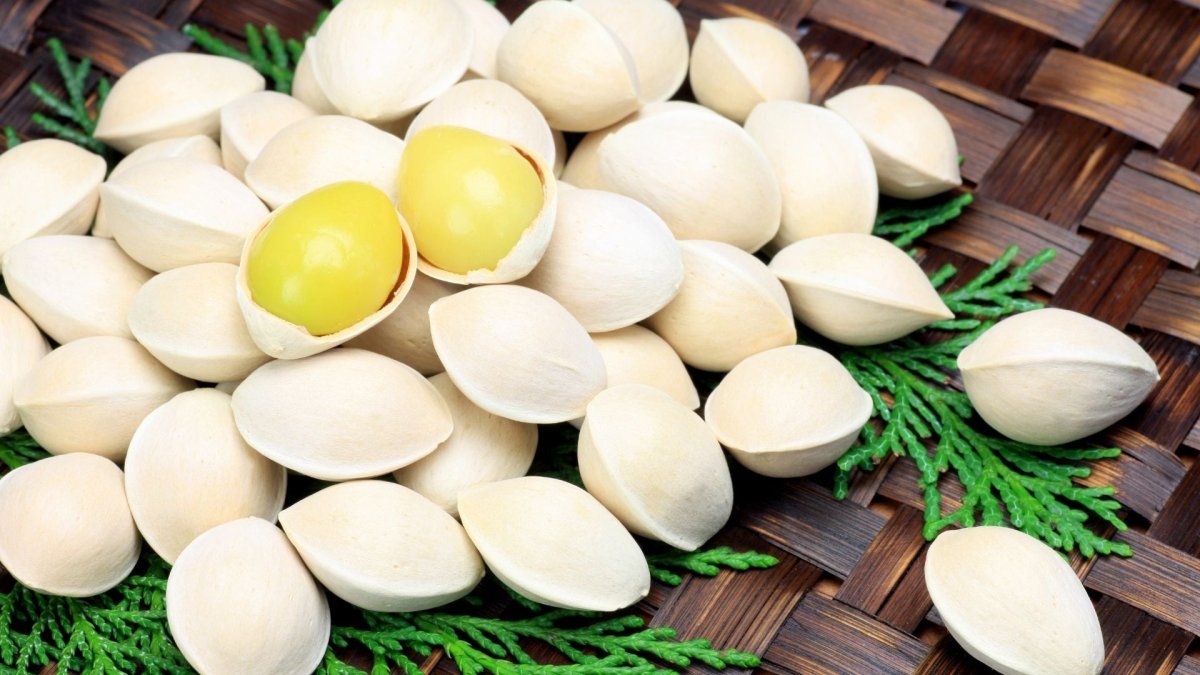
A packet of cleaned Ginkgo biloba seeds, with a choice of 10 seeds, 60 seeds or 100 grams (about 600 seeds). They are large, pale beige, egg-shaped seeds with a hard shell, easy to handle.
Sowing: stratification is essential
Sowing: stratification is essential
Ginkgo seed will not germinate without going through winter. Two methods.
The natural method: sow in autumn in a pot left outdoors, protected from rodents with wire mesh. The alternation of cold and damp does the work and germination takes place in spring.
The controlled method: soak the seeds for 24 to 48 hours, mix them with moist sand or vermiculite in a bag, and place it all in the refrigerator for one to three months at 2 to 5 °C. Then sow 2 cm deep, at 18 to 20 °C. Germination takes three to eight weeks.
Expect a moderate germination rate: some ginkgo seeds are not viable, which is characteristic of the species and explains why you always sow more than the number of plants you want.
The mature tree
The mature tree
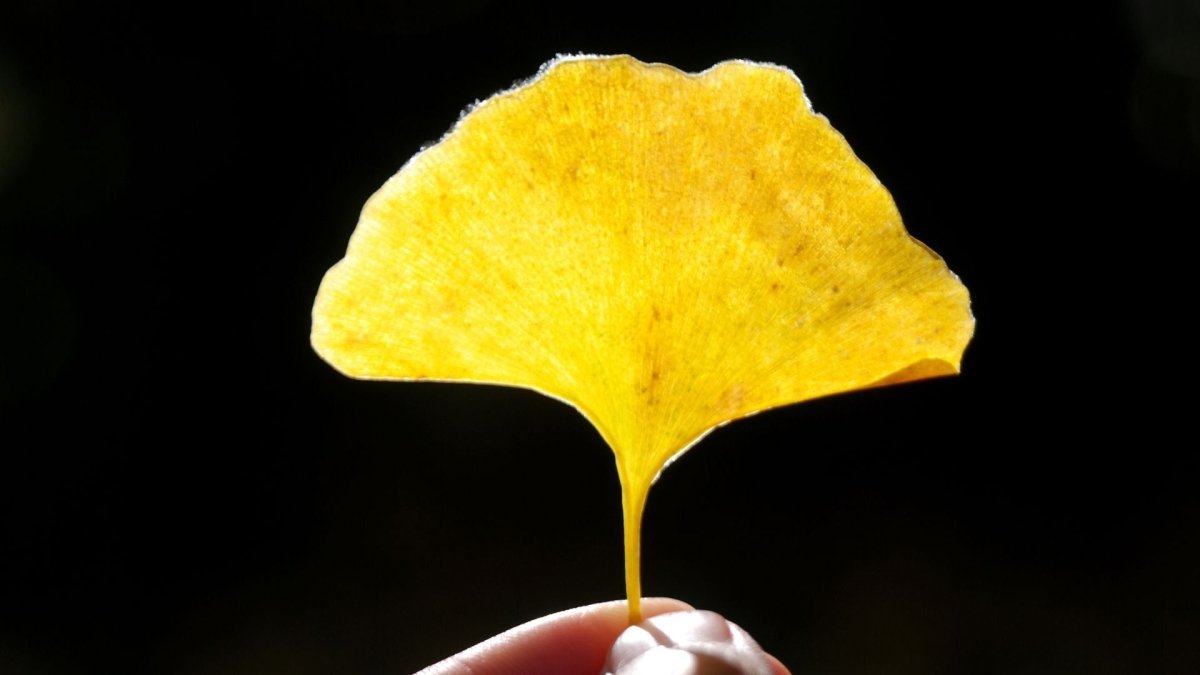
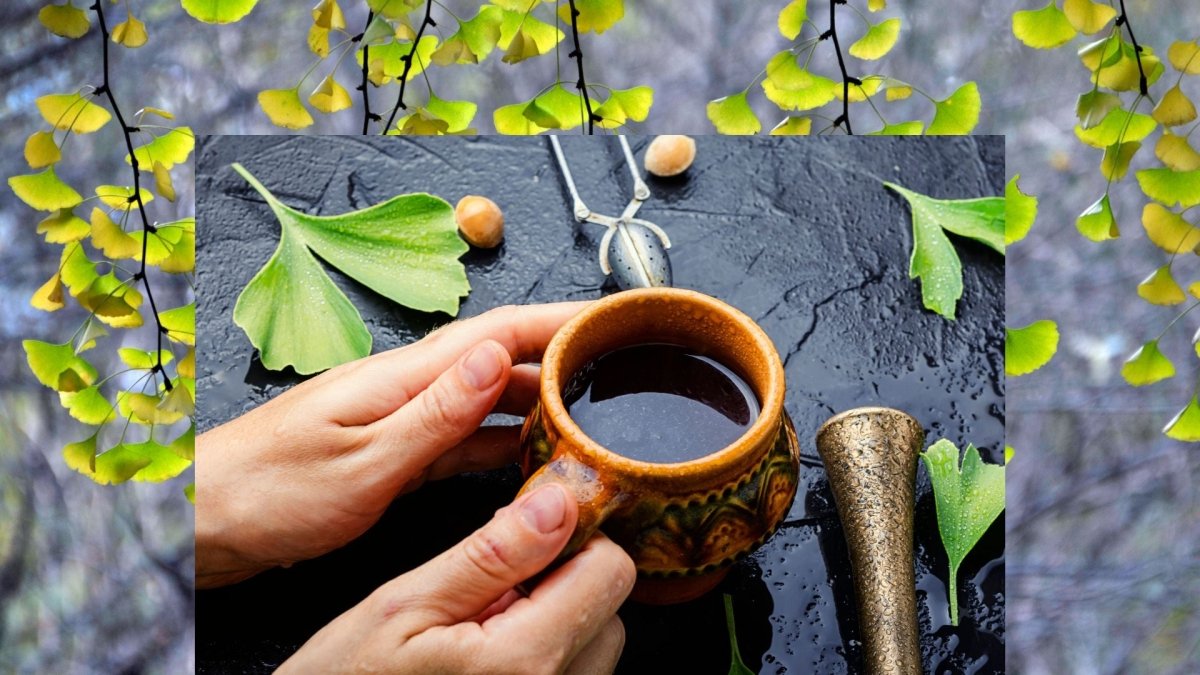
A large tree, 20 to 35 m tall at maturity, slow-growing at first and then steady, pyramidal when young and broadening with age. Its fan-shaped leaves with diverging veins, many of them split into two lobes, have no equivalent: this is what makes the tree recognisable at first glance. In autumn, they turn golden yellow all at once and then fall within a few days, almost all together.
It is hardy to about -30 °C, indifferent to soil type provided it is not waterlogged, and remarkably tolerant of air pollution and road salt, which explains its widespread use in urban street plantings.
Male or female
Male or female
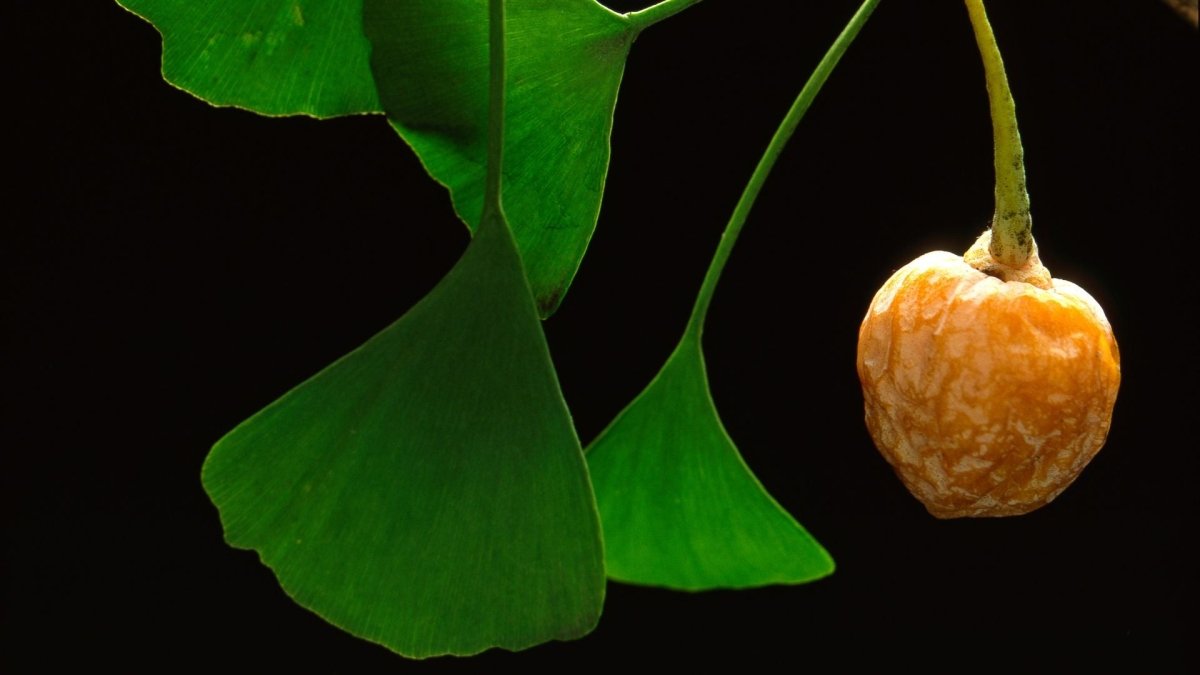
The species is dioecious, and the sex cannot be determined for around twenty years. Female trees produce fleshy ovules whose pulp, when ripe, gives off a very unpleasant smell on the ground: this is why towns plant only grafted males. A sowing will give you both, in roughly equal proportions.
Collector's seeds
Collector's seeds
These seeds are sold as ornamental and botanical collector's seeds, intended for sowing. They are not a food product. The pulp of ripe ovules can cause skin reactions, and should be handled with gloves.
Frequently asked questions
Frequently asked questions
Can stratification be skipped?
No. Without a cold period, the seeds remain dormant or only a very small number germinate. It is the decisive step.
Is it suitable for a small garden?
The tree grows large. In a small space, grow it in a large pot or as a bonsai, a form for which it is highly prized, or give it a permanent spot that allows for its adult size.
How fast does it grow?
Slowly for the first three or four years, then 20 to 40 cm a year in good conditions. It is a tree you plant for the future.
Does it need pruning?
No, and it is better not to. It naturally builds a balanced framework and does not take well to heavy cuts.
Also worth exploring: our full range of seeds from around the world and our botanical curiosities.
