Monkshood (Aconitum napellus) - seeds
Monkshood (Aconitum napellus) - seeds
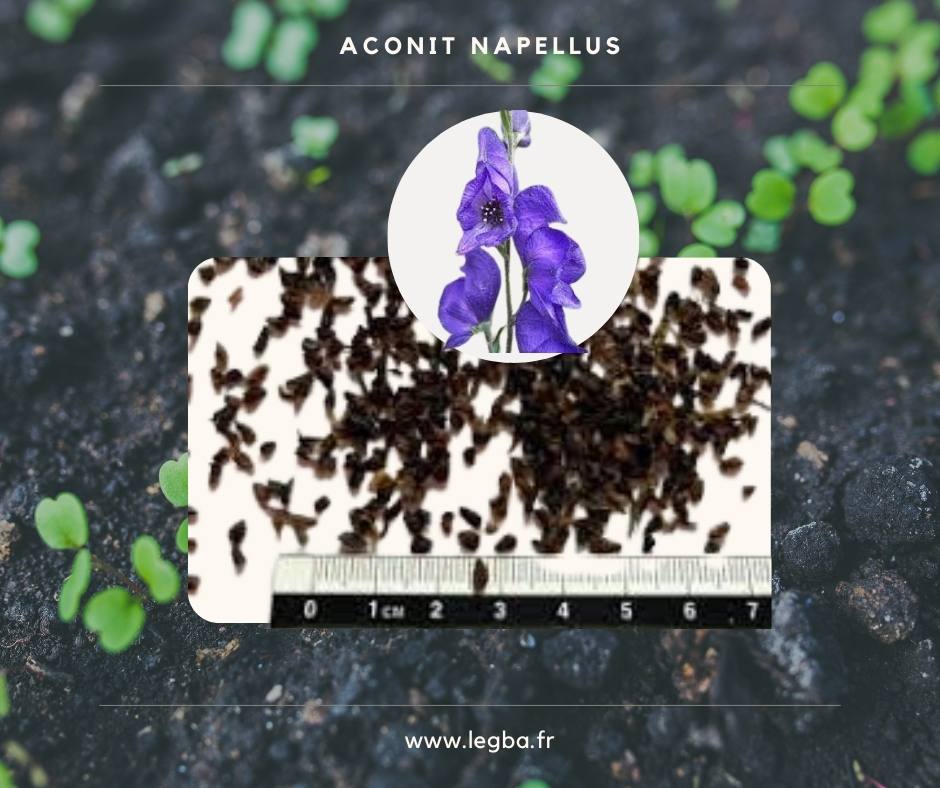
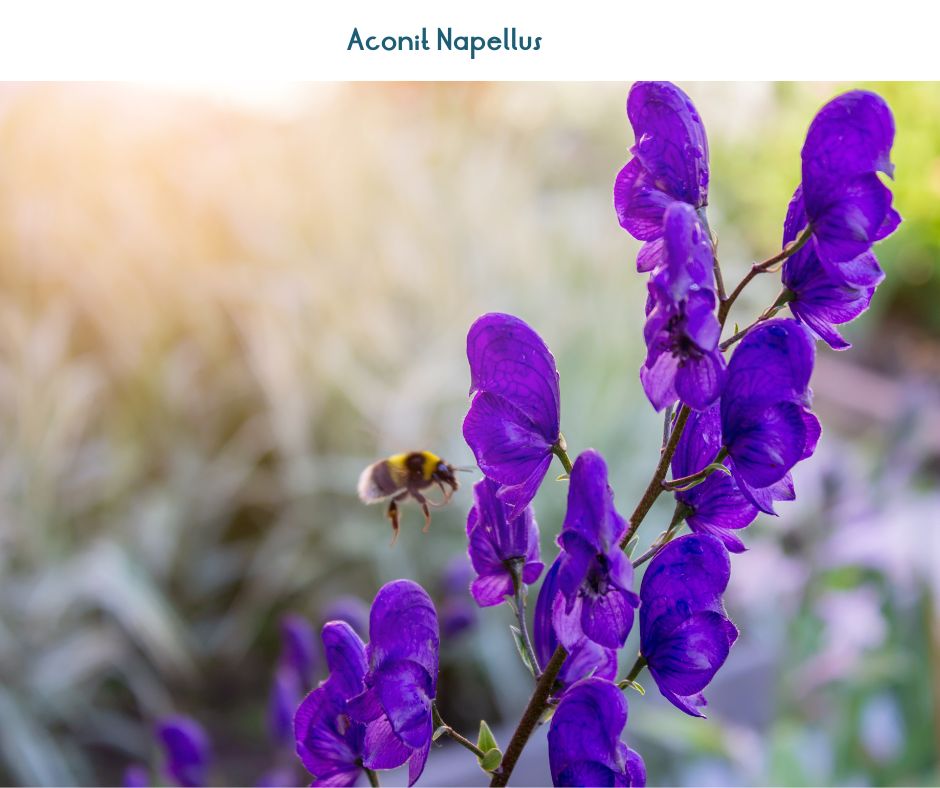
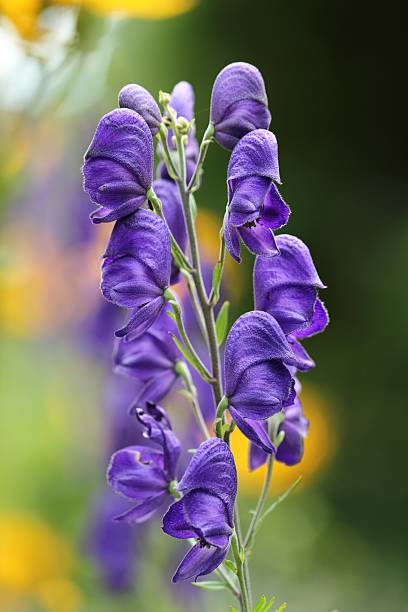
Monkshood (Aconitum napellus): seeds of a perennial from the European mountains, with spikes of deep blue-violet flowers whose helmet shape earned it the name Jupiter's helmet. It is the most toxic plant in the European flora.
Couldn't load pickup availability
Expédié depuis le Jura - Paiement sécurisé - Retrait possible à Francheville
Deadly plant: read before ordering
Deadly plant: read before ordering
All parts of this plant are toxic, and it kills. The aconitine it contains is active at a very low dose and passes through intact skin, which sets it apart from most other toxic plants.
- Never ingest, in any form or at any dose
- Always wear gloves to sow, plant, weed, divide or pull it up, and wash your hands afterwards
- Never touch your face while handling it
- Keep out of reach of children and pets
- Do not plant near a vegetable garden: the root looks like a turnip or horseradish root, and fatal accidents have occurred through confusion
- Do not plant near a sandpit or play area
- In case of contact or ingestion, immediately call 15 (French emergency services) or a poison control centre
Sale restricted to adults (18 and over).
What you receive
What you receive
A packet of 20 Aconitum napellus seeds. Handle them with gloves from the moment you open it.
Sowing
Sowing
Monkshood seed needs cold. Sow in autumn, in a pot or seed tray left outdoors all winter: successive freezing and thawing breaks dormancy and the seedlings come up the following spring. This is the most reliable method.
Failing that, stratify for six to eight weeks in the refrigerator at 2 to 5 °C, with the seeds mixed into damp sand, then sow at 15 to 18 °C. Germination remains slow and staggered: it is not unusual for seeds to come up in the second year.
Sow 5 mm deep, in a moist substrate that never dries out. Prick out wearing gloves, 40 cm apart in every direction.
The mature plant
The mature plant
An upright clump 80 cm to 1.50 m tall, with dark green foliage deeply cut into narrow segments, and a terminal spike of midnight-blue flowers that opens from July to September. It is one of the few perennials to give that particular, highly saturated blue, which explains its presence in gardens despite its reputation.
It comes from the montane zone: partial shade, cool, deep and rich soil, never dry in summer. Fully hardy, it overwinters as tubers and disappears completely above ground. It is long-lived in place and dislikes being disturbed.
Collector's seeds
Collector's seeds
These seeds are sold as ornamental and botanical collector's seeds. They are not intended for any consumption or preparation use. We provide no dosage, no preparation method and no expected effect.
Frequently asked questions
Frequently asked questions
Can I grow it if I have children or pets?
We do not advise it. Unlike other toxic garden plants, this one is dangerous through simple prolonged contact, and its root can be mistaken for a vegetable. If you grow it anyway, choose an inaccessible, clearly marked spot.
Why sow in autumn rather than spring?
Because the seed is programmed to germinate after a mountain winter. Prolonged moist cold is what unlocks germination, and no shortcut truly replaces it.
How long before it flowers?
Two to three years from sowing. The first year produces only a rosette of leaves.
Does it self-seed?
Moderately, and the seedlings can be recognised by their divided foliage. Cut the flower stems after flowering if you want to avoid any self-seeding.
Also worth exploring: our other folklore plants and all our seeds from around the world.