

Aronia (Aronia melanocarpa) - live plant
Aronia (Aronia melanocarpa) - live plant
Live Aronia melanocarpa plant, a fruiting shrub native to eastern North America. One of the easiest shrubs in the garden: it accepts almost any soil, fears neither cold nor disease, and puts on two shows a year.
Couldn't load pickup availability
Expédié depuis le Jura - Paiement sécurisé - Retrait possible à Francheville
What you receive
What you receive
- A live, rooted plant
- Fruiting and ornamental shrub
- Packaging suited to live plants
Botanical description
Botanical description
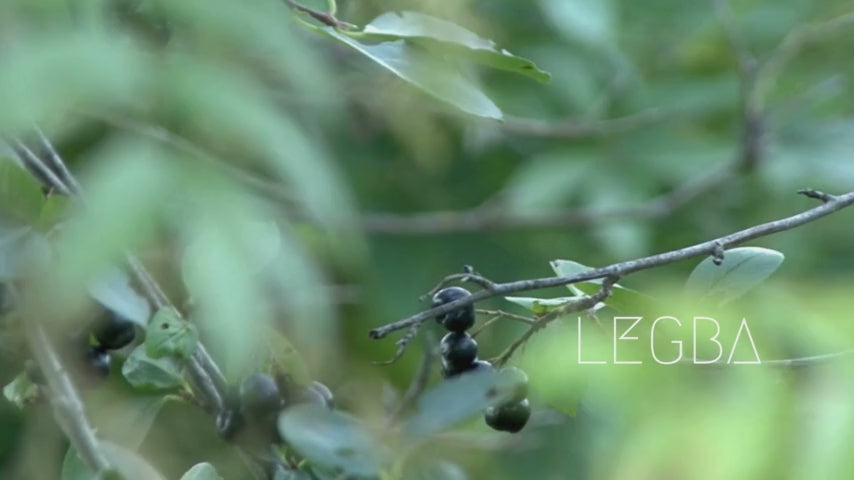
Aronia melanocarpa belongs to the Rosaceae, like the apple tree and the hawthorn. It is a bushy, suckering shrub 1.50 to 2 metres tall, with glossy oval leaves.
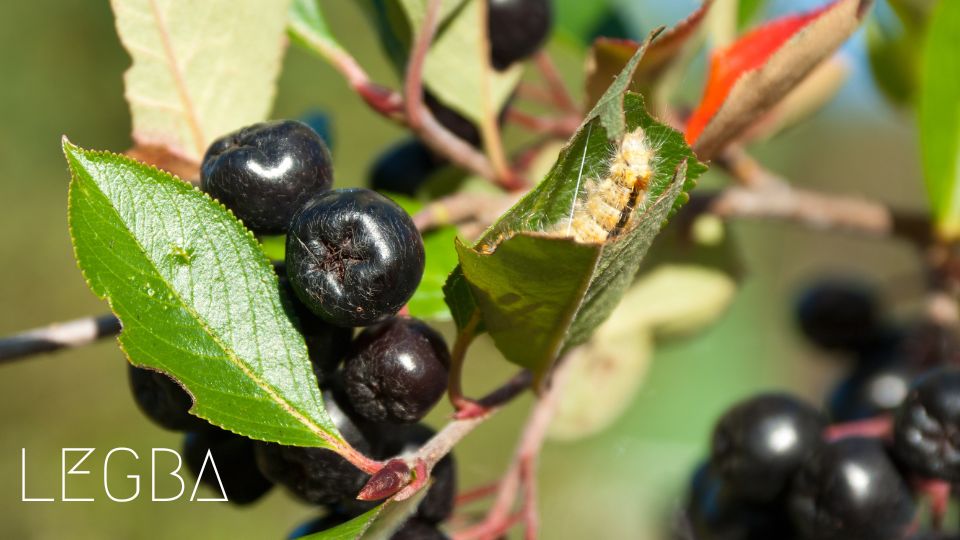
In spring it flowers in corymbs of small white flowers with pink stamens, much visited by pollinators, then in late summer it produces shiny black berries grouped in clusters. In autumn, its foliage turns deep scarlet, making it one of the most colourful shrubs of the season.
Very astringent berries
Very astringent berries
Its English name, chokeberry, the berry that makes you choke, says it all. Raw and freshly picked, the aronia berry is distinctly astringent: it dries the mouth. This is not a sign of unripeness, it is simply its nature.
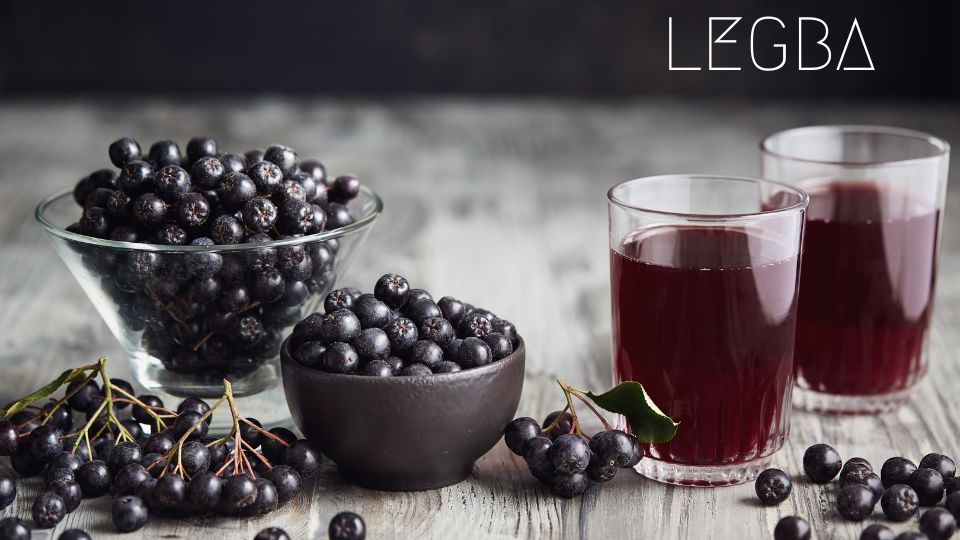
That is why it is traditionally processed rather than eaten fresh: as juice, jelly or syrup, or mixed with other fruit. The astringency fades noticeably after the first frosts, and with cooking.
Cultivation
Cultivation
It is a very hardy shrub that withstands the harshest winters in our regions without flinching. It tolerates poor, heavy, acid or chalky soils, and even damp spots.
Plant it in sun if you want fruit, as partial shade noticeably reduces fruiting. No pruning is needed, apart from cutting back old branches every few years to rejuvenate it. It suckers: over time it can form a small hedge.
Frequently asked questions
Frequently asked questions
Can the berries be eaten raw?
They can, but they are very astringent. Most people prefer to process them, or to wait until after the first frosts, which noticeably soften the taste.
Is it hardy everywhere in France?
Yes. It is a shrub from a cold continental climate and has no difficulty with our winters.
Do you need two plants to get fruit?
No, it is self-fertile. A single plant bears fruit.
When does it look its best?
Twice: in spring for its white flowers, and above all in autumn for its scarlet foliage, which is probably its strongest ornamental asset.
Also worth exploring: our aromatic and edible plants and our rare plants.
