

Brède mafane, paracress (Acmella oleracea) - seeds
Brède mafane, paracress (Acmella oleracea) - seeds
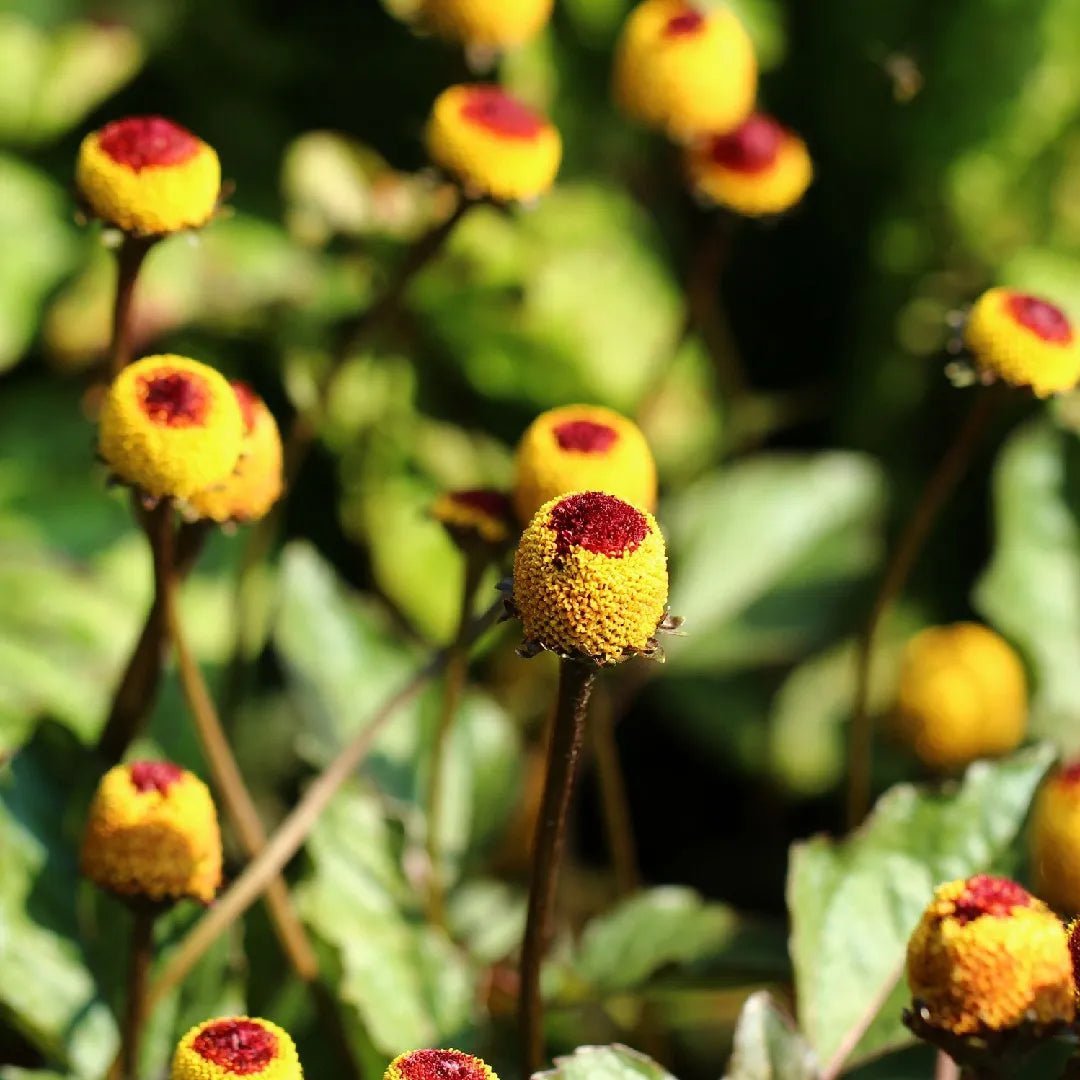
Brède mafane (Acmella oleracea, syn. Spilanthes oleracea), also known as paracress: seeds of the tropical annual with small yellow flower heads and a dark red centre, famous for the tingling, numbing sensation it leaves in the mouth.
Couldn't load pickup availability
Expédié depuis le Jura - Paiement sécurisé - Retrait possible à Francheville
What you receive
What you receive
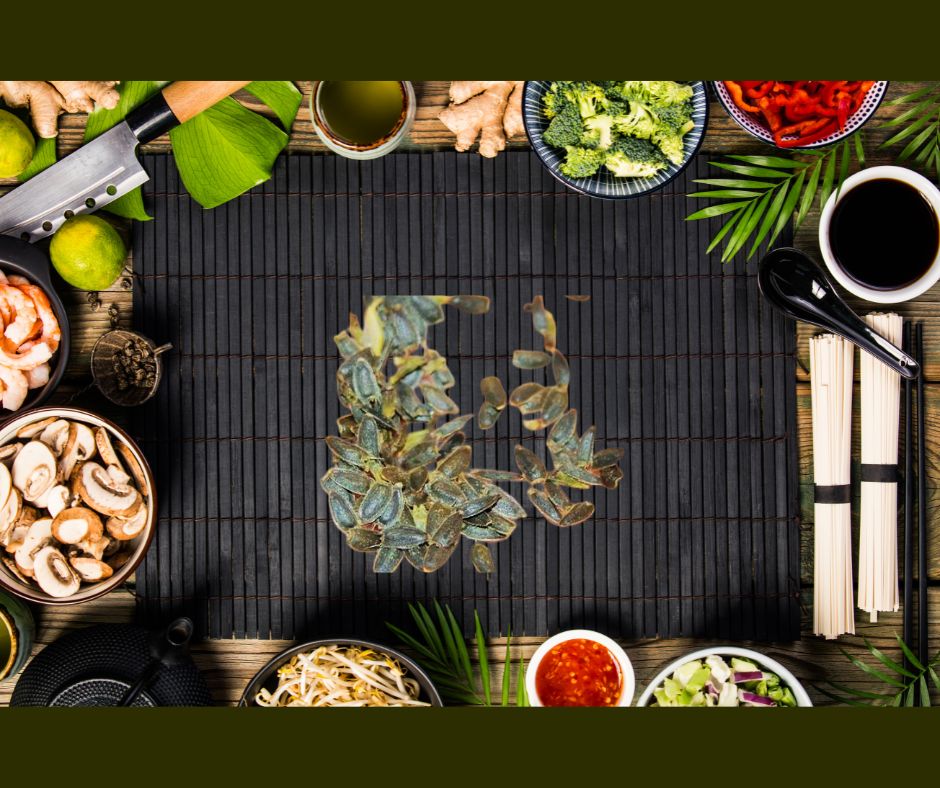
A packet of Acmella oleracea seeds, your choice of 0.15 gram (about 500 seeds), 0.25 gram (about 875 seeds) or 10 grams for large-scale sowing. The seeds are tiny and elongated.
Sowing
Sowing
Sow from March to April in warmth, or directly in place in mid-May, once all risk of frost has passed. The seeds need light to germinate: sow them on the surface, without covering, and simply press them onto the substrate. Keep moist by gentle watering or misting, at 20 to 22 °C. Germination takes one to two weeks.
Plant out 25 cm apart in all directions, in sun or partial shade, in moist soil that does not dry out. This plant hates being thirsty and shows it immediately.
The mature plant
The mature plant
It forms a spreading, much-branched mat 20 to 30 cm high, and flowers from July until the first frosts. The flower heads, bright yellow with a purple eye, look like small cones: they are sometimes called brède buttons. It grows fast and is very productive.
In the kitchen
In the kitchen
It is a leaf vegetable from the south-western Indian Ocean. In Madagascar, the leaves and flower buds go into romazava, the national dish, where they accompany meat and rice. The characteristic tingling comes from spilanthol, a molecule concentrated mainly in the flower heads: a few millimetres of flower bud is enough to saturate the palate, which makes it an ingredient to use with a deliberate hand, not to eat by the spoonful. The young leaves, much milder, are eaten raw in salads or sauteed like spinach.
Frequently asked questions
Frequently asked questions
Should the seeds be covered with soil?
No, and this is the main cause of failure. They need light: sown too deep, they do not come up.
What exactly does it taste like?
First a slightly bitter herbaceous note, then a sharp tingling and a numbness that spreads over the tongue and makes you salivate. The sensation lasts a few minutes and is not hot in the chilli sense: there is no burn.
Is it perennial?
No, it is an annual in our climate and is killed by the first frosts. It sometimes self-seeds in warm spots.
Can it be grown in a pot or window box?
Very well, and it is even handy for having it within reach when cooking. Water consistently, the substrate must never dry out.
Also worth exploring: the plant already in growth, if you want to harvest this season, and our other aromatic and edible plants.