

Bulbine frutescens - live plant
Bulbine frutescens - live plant
Live Bulbine frutescens plant, a succulent from South Africa. A near-indestructible rock garden plant that flowers almost non-stop from spring until the frosts.
Couldn't load pickup availability
Expédié depuis le Jura - Paiement sécurisé - Retrait possible à Francheville
What you receive
What you receive
- A live, rooted plant
- Sold as an ornamental and botanical collector's plant
- Packaging suited to live plants
A note on its name
A note on its name
The plant is often sold under the name Bulbinella frutescens. This is a widespread mistake: Bulbine and Bulbinella are two distinct botanical genera. This one is indeed Bulbine frutescens.
Botanical description
Botanical description
Bulbine frutescens belongs to the Asphodelaceae, the same family as aloes, which explains its appearance. It forms a dense clump of cylindrical, fleshy leaves, soft green in colour, which gradually spreads into ground cover.
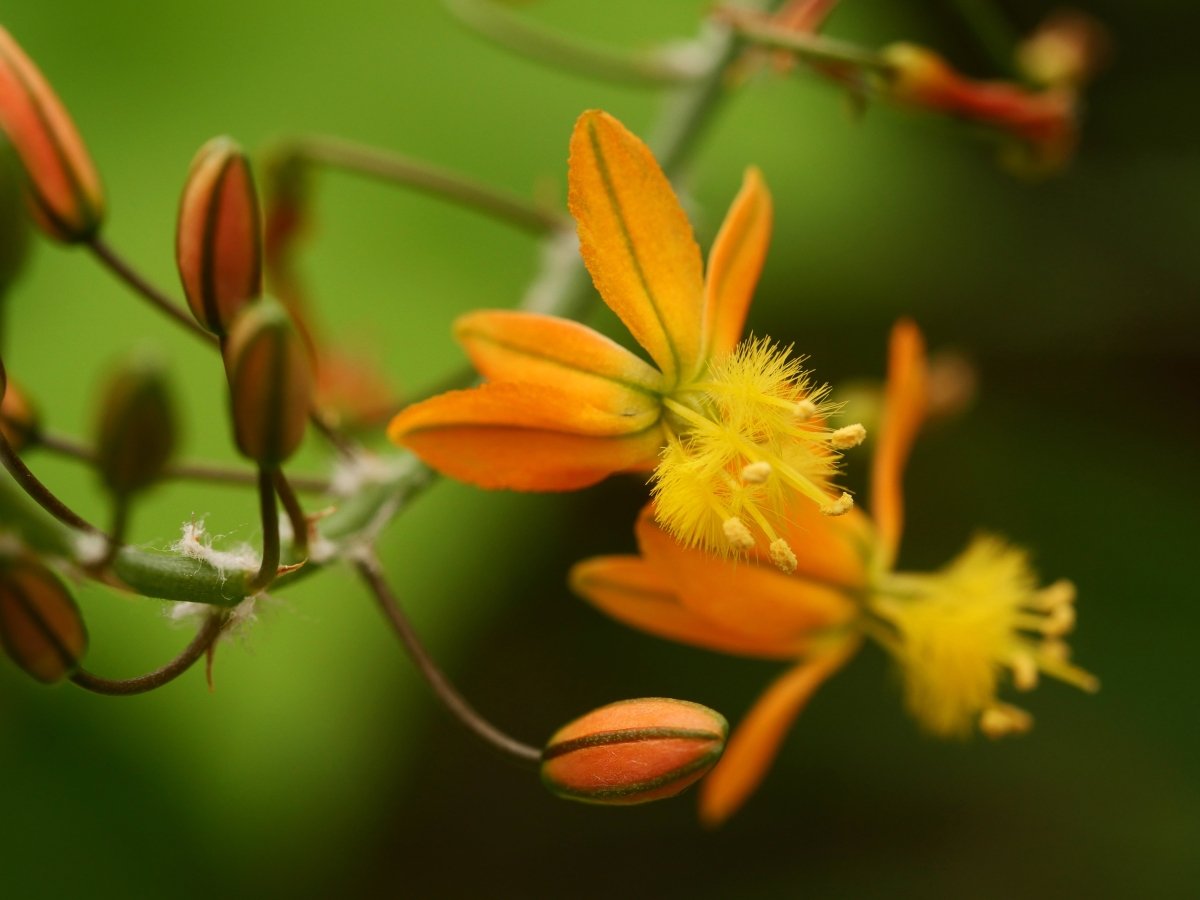
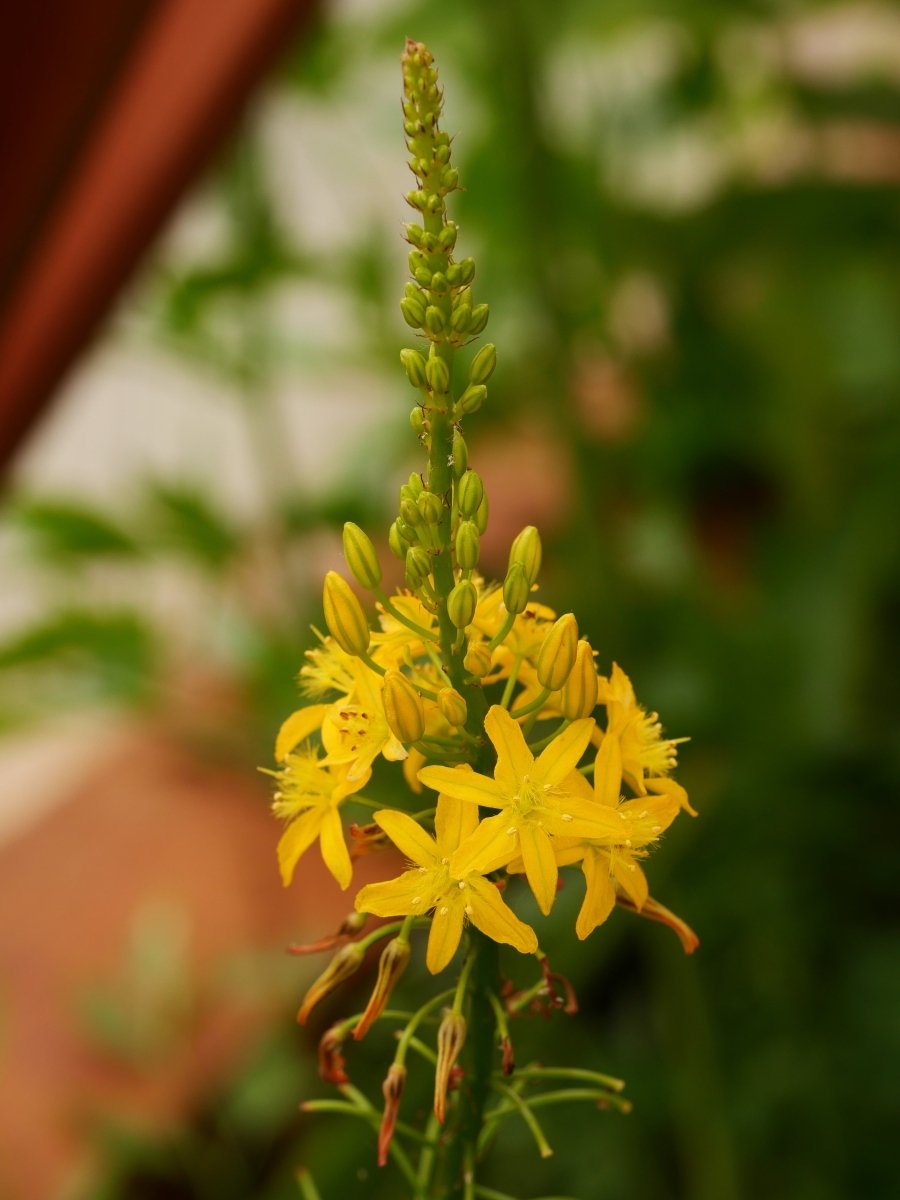
From this clump rise long flower stalks carrying clusters of small star-shaped flowers, yellow to orange, whose fluffy stamens give them a very recognisable frizzy look. It is repeat-flowering and blooms for months.
Cultivation
Cultivation
As easy as a succulent can be. Full sun, very free-draining soil, infrequent watering. It copes perfectly with drought and is happy in poor soils.
It withstands down to about -5 °C, with brief dips lower, provided it is kept dry. As with most succulents, it is winter wet that makes it rot, not cold alone. In cold or damp regions, grow it in a pot and shelter it in winter.
It is very easy to divide in spring to increase the clump.
Frequently asked questions
Frequently asked questions
Bulbine or Bulbinella?
Bulbine. Bulbinella is a different genus, and the confusion is very common in the trade.
Is it hardy?
Down to about -5 °C if kept dry. In winter rain it is much more fragile: drainage makes all the difference.
How long does it flower?
A very long time, from spring until the first frosts, in successive waves.
How do I propagate it?
By dividing the clump in spring. It is simple and the success rate is excellent.
This plant is sold as an ornamental and botanical collector's plant. Also worth exploring: our rare plants.
