

Makrut lime (Citrus hystrix) - live plant
Makrut lime (Citrus hystrix) - live plant
Live Citrus hystrix plant, the makrut lime or combava. A citrus grown for its leaves more than for its fruit, and essential to Thai cooking and to the cuisines of the Indian Ocean.
Couldn't load pickup availability
Expédié depuis le Jura - Paiement sécurisé - Retrait possible à Francheville
What you receive
What you receive
- A live, rooted plant
- Aromatic citrus to grow in a pot
- Packaging suited to live plants
A leaf like no other
A leaf like no other
The makrut lime leaf looks like no other: it is double, made up of two lobes placed end to end, like two leaves sewn together. The lower lobe is in fact a broadened leaf stalk.
When crushed, it releases an intense and distinctive lemony fragrance, somewhere between lime zest and lemongrass. It is this leaf that flavours green curries, tom yum soups and rougails, and there is no satisfactory substitute for it.
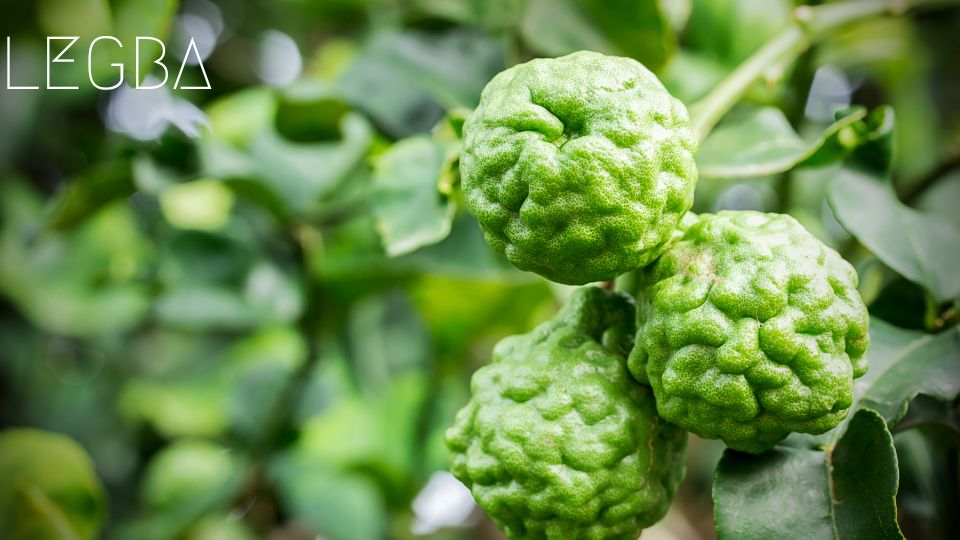
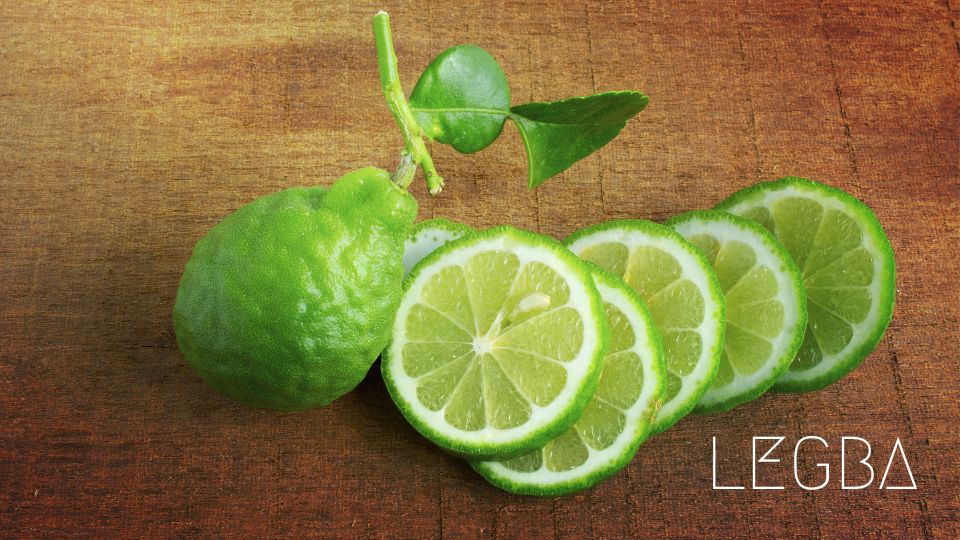
The fruit, for its part, is small, green and heavily knobbly, with almost no juice. It is its zest that is grated.
Cultivation
Cultivation
Grow as a citrus in a pot. Free-draining substrate, full sun in the warm season, generous watering with the soil allowed to drain between waterings.
It is frost-tender and must be overwintered in a cool, bright room. Like all citrus, it prefers a cool, light overwintering to a warm, dark one.
You can harvest the leaves as needed all year round, picking without ever stripping a whole branch.
Frequently asked questions
Frequently asked questions
Why are the leaves double?
Because the leaf stalk is greatly broadened and shaped like a leaf. What looks like two leaves is therefore only one.
Can the fruit juice be used?
Very little: the fruit contains almost none. It is the zest and the leaves that are of interest.
Can the leaves be frozen?
Yes, and it is the best way to keep them: they retain most of their fragrance, unlike when dried.
Is it thorny?
Yes, the makrut lime has thorns on its shoots. Take care when harvesting the leaves.
Also worth exploring: our aromatic and edible plants and our rare plants.