

Gotu Kola (Centella asiatica) - live plant
Gotu Kola (Centella asiatica) - live plant
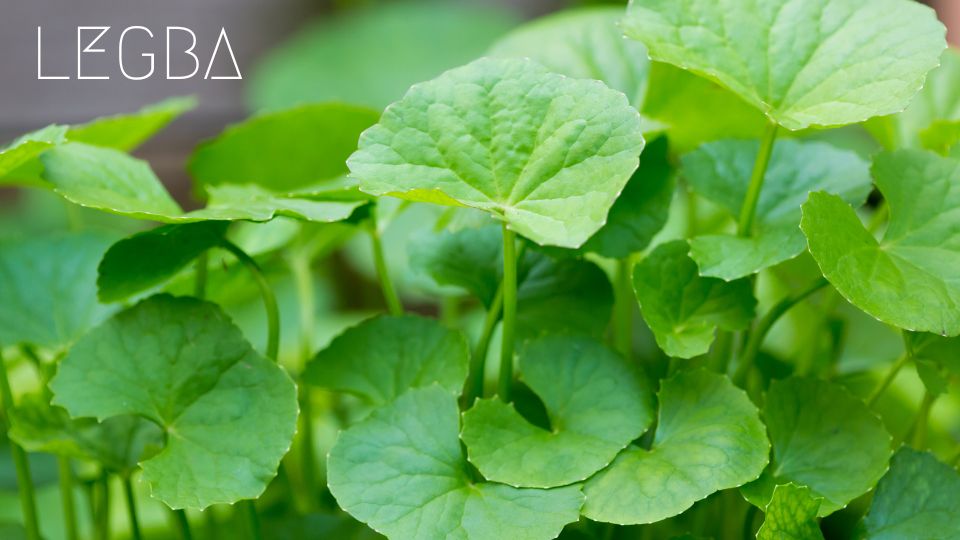
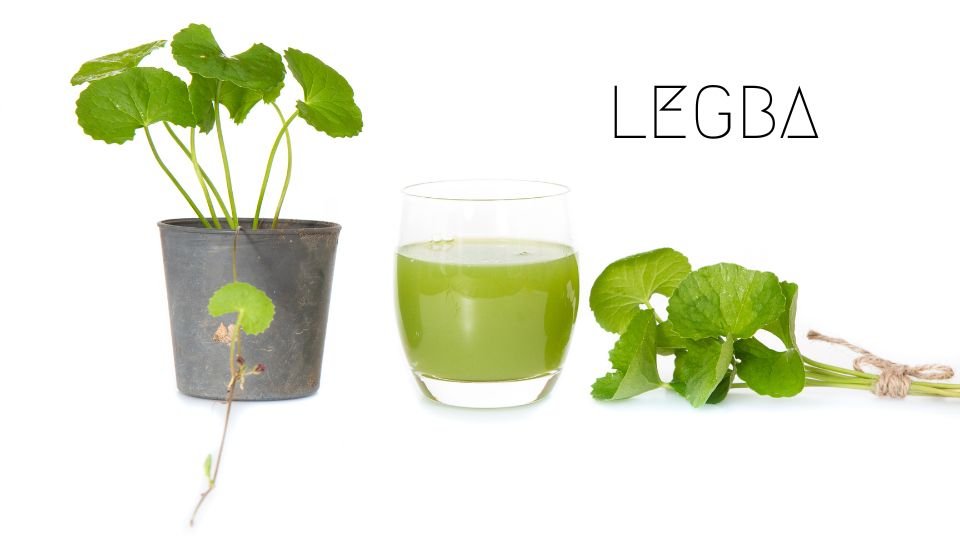
Live plant of Centella asiatica, Gotu Kola. A creeping ground cover with small round leaves that spreads by runners and quickly forms a dense mat in damp parts of the garden.
Couldn't load pickup availability
Existe aussi


Expédié depuis le Jura - Paiement sécurisé - Retrait possible à Francheville
What you receive
What you receive
- A live, rooted plant
- Sold as an ornamental and botanical collector's plant
- Packaging suited to live plants
Botanical description
Botanical description
Centella asiatica is a member of the Apiaceae, the carrot and parsley family, which is surprising given how different it looks. It creeps at ground level and spreads by runners, exactly like a strawberry plant: each node puts out roots and a new rosette.
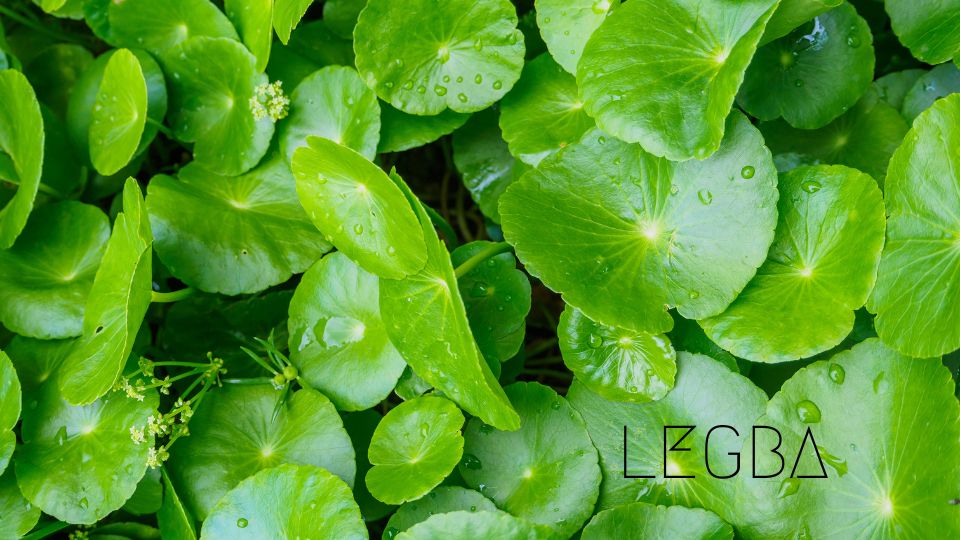
Its leaf is round to kidney-shaped, like a small fan, with veins radiating from the leaf stalk. This shape gives it its English name, pennywort, the "penny herb". The tiny pinkish flowers hide beneath the foliage.
Gotu Kola, brahmi, tiger grass
Gotu Kola, brahmi, tiger grass
Depending on the region of India, the name brahmi refers either to this plant or to Bacopa monnieri, which is a completely different member of the Plantaginaceae. Both are traded under the same commercial name. Go by the Latin name.
The nickname tiger grass comes from a popular observation reported in Southeast Asia, according to which tigers would roll in mats of Centella. It is a traditional image, not verified fact.
Growing
Growing
It wants constant moisture. In a pot, keep the saucer full at all times, which would be fatal to almost any other plant. In open ground, give it a spot that stays cool and damp, at the edge of a pond or in a low point of the garden.
Partial shade or gentle sun, rich soil. It is not hardy in our climate: overwinter it frost-free or grow it indoors, where it makes an excellent ground cover for pots.
Frequently asked questions
Frequently asked questions
What is the difference between the plant, the dried leaves and the seeds?
Three distinct products. This page offers the live plant. The dried leaves are collector's plant material. The seeds let you sow it yourself.
Can you overwater it?
Hardly. It is a wetland plant: the classic mistake is letting it dry out, not flooding it.
Is it hardy?
Not in our climate. Bring it in somewhere frost-free, or grow it as a houseplant.
Does it spread quickly?
Yes, by runners, as soon as it has warmth and moisture. It makes an effective ground cover in a wide pot or a hanging basket.
This plant is sold as an ornamental and botanical collector's plant. Also worth exploring: our plants with traditional uses and our rare plants.