Marsh mallow (Althaea officinalis) - seeds
Marsh mallow (Althaea officinalis) - seeds
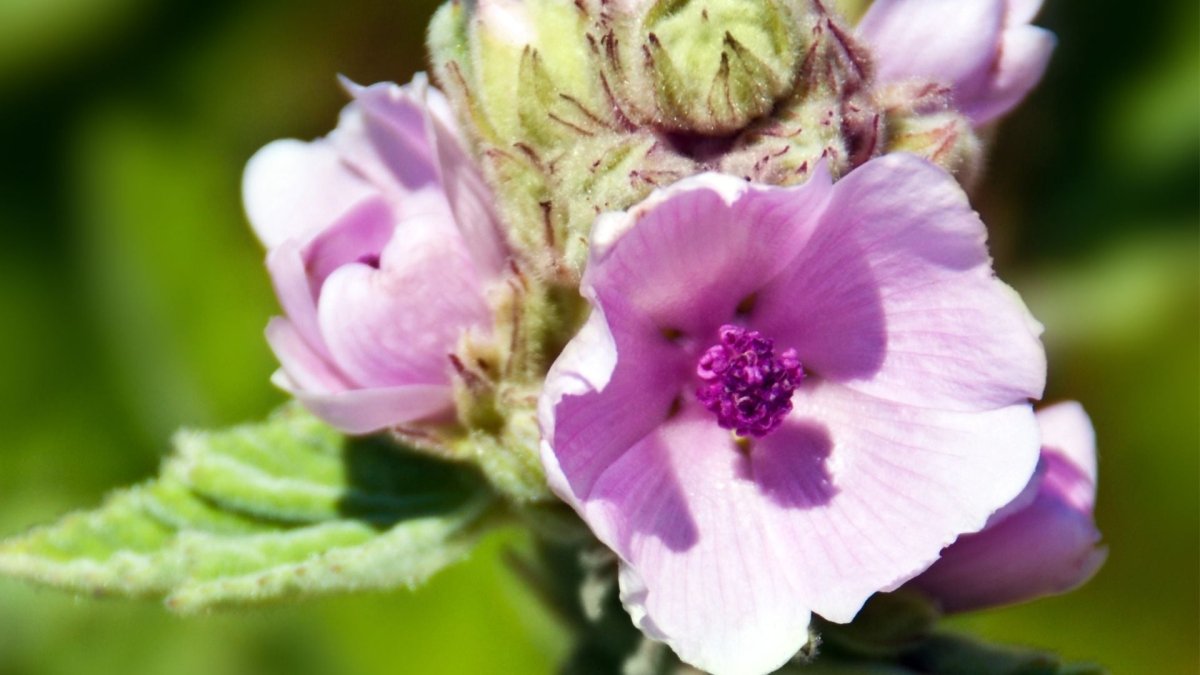
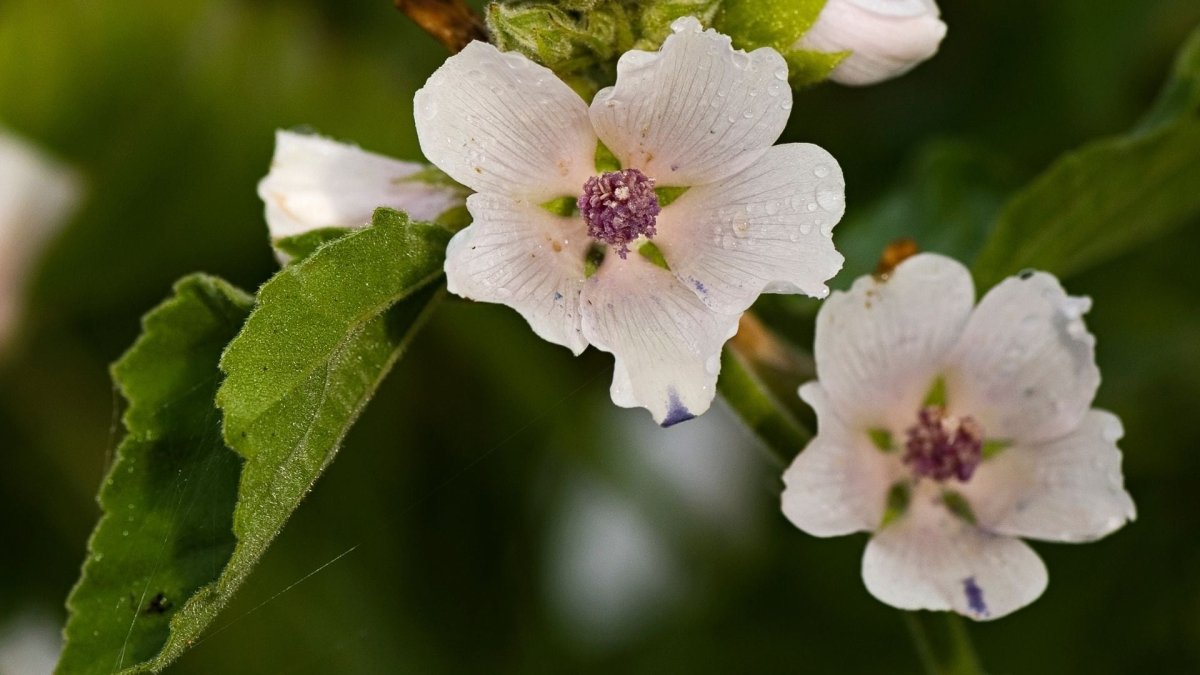
Marsh mallow (Althaea officinalis): seeds of a tall perennial of the Malvaceae family, with velvety grey-green foliage and pinkish-white flowers from June to September. This is the plant that gave its name to the sweet, not the other way round.
Couldn't load pickup availability
Expédié depuis le Jura - Paiement sécurisé - Retrait possible à Francheville
What you receive
What you receive
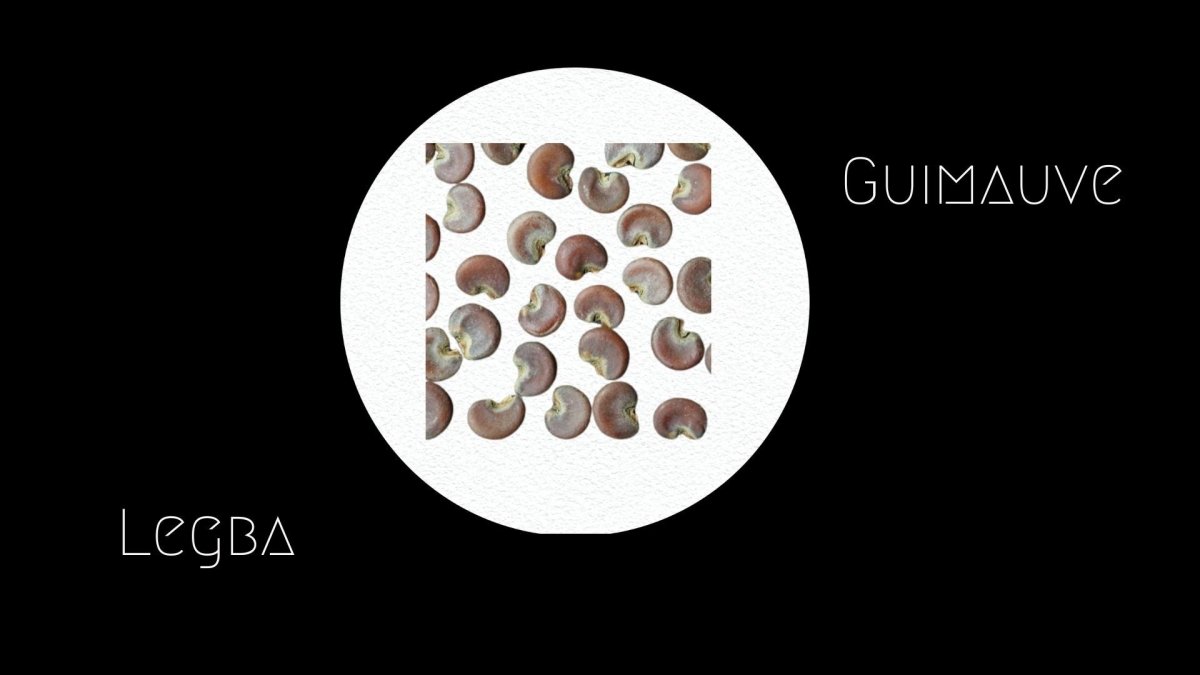
A packet of Althaea officinalis seeds, either 10 seeds or 1 gram (about 460 seeds). The seeds are brown and kidney-shaped, set in a ring within the fruit, as in all mallows.
Sowing
Sowing
Two options. In autumn, sow directly in place: winter cold breaks dormancy naturally and the seedlings come up the following spring. In spring, keep the seeds in damp sand in the fridge for two to three weeks before sowing at 18 to 20 °C. Without this cold period, germination is irregular.
Sow 5 mm deep, keep moist, and transplant at 50 cm spacing each way. The plant establishes slowly in its first year, then becomes vigorous.
The mature plant
The mature plant
An upright clump 1.20 to 1.80 m tall, with sturdy stems and thick leaves covered in a down that makes them soft to the touch, almost grey. The flowers, pinkish-white with purple stamens, open along the stems all summer and are much visited by bees.
It is a plant of damp meadows and marsh edges, including coastal ones: it tolerates moist to wet soils and a degree of salinity, which is rare, and thrives where many border perennials struggle. Full sun, deep soil, and no prolonged drought. Fully hardy, it dies back in winter and regrows from the rootstock.
The sweet and the plant
The sweet and the plant
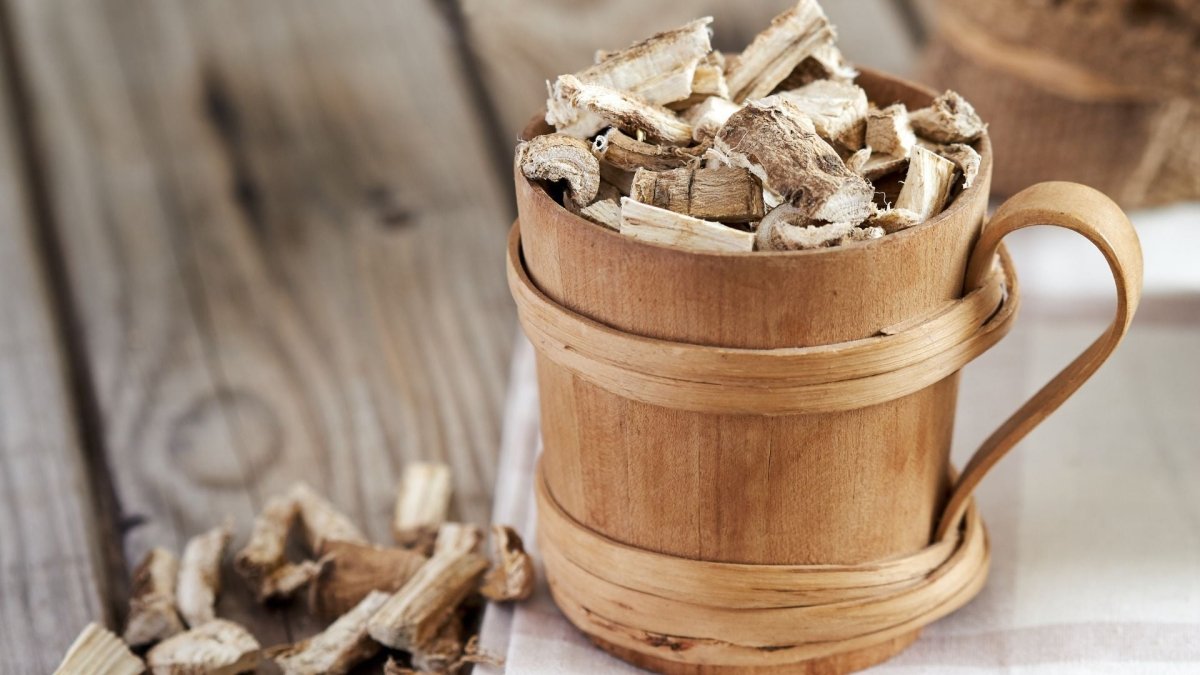
Marsh mallow root is rich in mucilage, a thickening substance that swells in water. This was the basis of the marshmallow paste made in the 18th and 19th centuries, of which industrial marshmallows are the descendants: these no longer contain the slightest trace of the plant, which has been replaced by gelatine and glucose syrup. The young leaves and the roots are also eaten, cooked, in traditional cuisine.
Frequently asked questions
Frequently asked questions
Why the cold period?
Because the seed is programmed to germinate after a winter. Without stratification, only some of the seeds germinate, and unevenly over several months.
Does it tolerate dry soil?
Poorly. It is a plant for moist ground. In warm, free-draining soil, it stays stunted and flowers little.
How does it differ from the hollyhock?
They are two closely related Malvaceae. The hollyhock (Alcea rosea) is taller, with much larger and more colourful flowers, and is often biennial. Marsh mallow is perennial, with characteristic velvety foliage and discreet flowers.
Is it invasive?
No. It self-seeds moderately and stays in a clump. Count it among the perennials that fill out without spreading.
Also worth exploring: our aromatic and edible plants and our full range of seeds from around the world.