

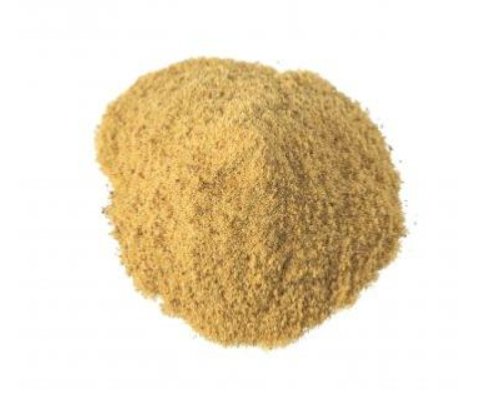
Kanna (Sceletium tortuosum) - fermented powder and extract
Kanna (Sceletium tortuosum) - fermented powder and extract
Sceletium tortuosum, known as kanna, is a succulent plant from the Karoo, in South Africa. We offer it in two forms: the fermented powder, prepared according to the traditional process, and the x50 extract, considerably more concentrated.
Couldn't load pickup availability
Expédié depuis le Jura - Paiement sécurisé - Retrait possible à Francheville
What you receive
What you receive
- Fermented powder: 5 g, 20 g + 5 g free, or 100 g
- x50 extract: 1 g, 5 g, or 20 g + 5 g free
- Fine, even powder, greenish-brown colour
A plant of the Karoo
A plant of the Karoo
Sceletium tortuosum is a creeping succulent of the arid regions of South Africa, in the Aizoaceae family. Its genus name comes from the Latin sceletus: as the leaves dry, they reveal a network of veins reminiscent of a skeleton. This is a reliable identification feature on the whole plant.
The name kanna or channa appears in Dutch travel accounts from the late 17th century, notably in the journal of Simon van der Stel's expedition of 1685, which describes the preparation of the plant by the Khoikhoi peoples. The same word also referred to the Cape eland, the large antelope of the region, which long fuelled confusion in colonial sources.
Fermented powder or extract: what is the difference
Fermented powder or extract: what is the difference
The fermented powder follows the process described in the old sources: the plant is crushed, left to ferment, then dried and ground. It is the form closest to the traditional material.
The x50 extract is a concentrate obtained by extraction: it takes about fifty times more starting plant material for a given weight of extract. It is a laboratory form, not a traditional one, and is bought in small quantities.
Frequently asked questions
Frequently asked questions
Why is the powder fermented?
Because fermentation is part of the process described in historical South African sources. A powder that is simply dried and ground is not kanna in the traditional sense.
Where does the name sceletium come from?
From the Latin sceletus, skeleton: the veins of the dried leaves form a visible network that struck the botanists who described the genus.
How should it be stored?
In an airtight container, away from light, heat and moisture. The powder is hygroscopic and clumps if it absorbs moisture.
Can it be consumed?
No. We sell kanna as a non-consumable collector's product, and we do not provide any preparation method.
Collector's product
Collector's product
This plant is sold as botanical material intended for collection, ethnobotanical study and ornamental use. It is not a food product and is not intended for consumption. We provide no dosage, no preparation method and no expected effect. Sale restricted to adults (18 and over).
Also worth exploring: our dried herbs of the world, and other materials from southern Africa such as Silene capensis and Uvuma omhlope.
