

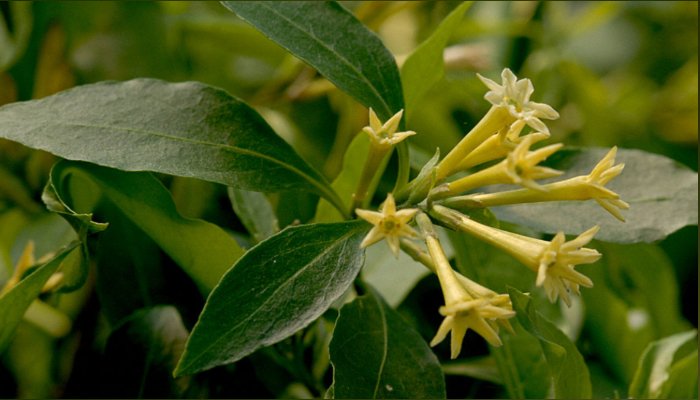
Palqui (Cestrum parqui) - live plant
Palqui (Cestrum parqui) - live plant
Cestrum parqui live plant, the palqui, a shrub native to Chile and Argentina. Its appeal in the garden comes down to one word: scent, which is only released at nightfall and carries for several metres.
Couldn't load pickup availability
Expédié depuis le Jura - Paiement sécurisé - Retrait possible à Francheville
Toxic plant: precautions
Toxic plant: precautions
This plant is toxic, foliage and fruit included. It is well documented for causing liver damage in livestock that eat it. It is sold exclusively as an ornamental and botanical collector's plant.
- Never ingest, in any form
- Keep out of reach of children and pets
- Do not plant in a pasture or near a vegetable garden
- In case of accidental ingestion, call 15 (French emergency services) or a poison control centre
Sale restricted to adults (18 and over).
Botanical description
Botanical description
Cestrum parqui is a shrubby member of the Solanaceae that reaches about 2 metres. Light green, lanceolate foliage, and summer flowering in clusters of small pale yellow tubular flowers, followed by dark berries.
Its distinctive feature is its rhythm: the flowers stay discreet and almost scentless during the day, then release an intense, sweet fragrance at dusk. This is an adaptation to night-time pollination, the same logic as in datura or blue lotus.
Growing
Growing
It is an easy shrub. It is not afraid of frost in our climate, prefers partial shade in summer and accepts a range of soils as long as they drain. It can freeze to the ground in a harsh winter and regrow from the base in spring, which is normal behaviour and not a failure.
Place it near a terrace or a window you open in the evening: that is where it really comes into its own.
Palqui in Chile
Palqui in Chile
In southern Chile, palqui holds a notable place in folk traditions, where it is regarded as a protective plant and plays a part in ritual cleansing ceremonies. These elements belong to ethnobotany and cultural history, and do not constitute any indication for use.
Frequently asked questions
Frequently asked questions
Is it hardy in France?
Yes, in a large part of the country. It can lose its above-ground parts in severe cold and regrow from the base in spring.
When does it give off its scent?
Only in the evening and at night, in summer. During the day, the flower is almost scentless: this is normal.
What is the difference from night-blooming jessamine?
Night-blooming jessamine (galant de nuit) is Cestrum nocturnum, a related species with greenish-white flowers, much less hardy. Palqui, with yellow flowers, tolerates cold far better.
Also worth exploring: our rare plants and our folklore plants.
