

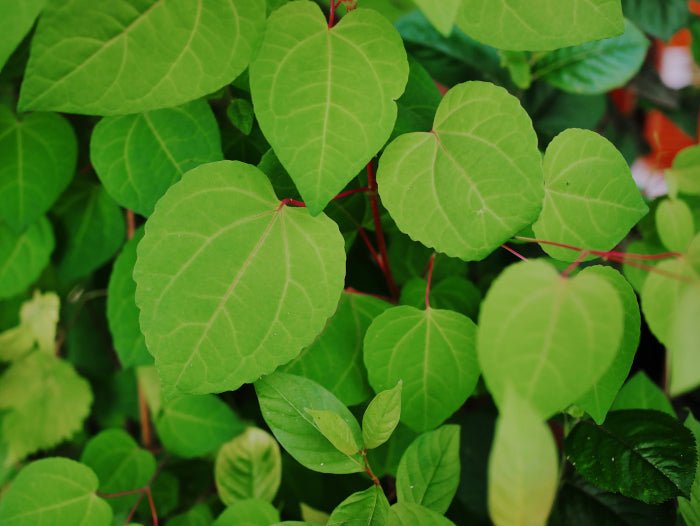
Buttonbush (Cephalanthus occidentalis) - live plant
Buttonbush (Cephalanthus occidentalis) - live plant
Live Cephalanthus occidentalis plant, the buttonbush. An American wetland shrub, remarkable for its perfectly spherical flowers, bristling with protruding styles like little pincushions.
Couldn't load pickup availability
Expédié depuis le Jura - Paiement sécurisé - Retrait possible à Francheville
What you receive
What you receive
- A live, rooted plant
- Ornamental shrub for banks and damp soil
- Packaging suited to live plants
Botanical description
Botanical description
Cephalanthus occidentalis belongs to the Rubiaceae, the family of the coffee plant and the gardenia. It is a shrub 1.5 to 3 metres tall, with glossy green foliage, that grows naturally on the edges of ponds, marshes and rivers in North America.
Its summer flowering is its great selling point: white balls 3 to 4 cm across, each made up of dozens of small tubular flowers, from which emerge the styles that give them their pin-studded look. They are followed by brown spherical fruits that persist through the winter.
The plant for places that are too wet
The plant for places that are too wet
This is its main practical appeal. Where most shrubs rot, the buttonbush thrives: it tolerates waterlogged soil and even temporary submersion of its roots. If you have a low spot that stays sodden, the bank of a pond or a ditch, it is one of the few ornamental shrubs that will truly be happy there.
Its flowers are also very popular with bees and butterflies.
Growing
Growing
Sun or partial shade, moist to decidedly wet soil. It is hardy and needs no special care.
It flowers on the current year's wood: pruning at the end of winter, even hard pruning, stimulates flowering and keeps the shape compact. In dry soil it struggles and flowers poorly.
Frequently asked questions
Frequently asked questions
Can it cope with having its feet in water?
Yes, that is its speciality. It tolerates saturated soil and temporary submersion, which is rare in an ornamental shrub.
Is it hardy?
Yes, comfortably, throughout France.
When does it flower?
In high summer, generally from July to September, which fills a quiet period in the garden.
Can it be grown in normal soil?
Yes, as long as it stays moist. In dry soil it survives but stays weak and flowers little.
Also worth exploring: our rare plants.
