

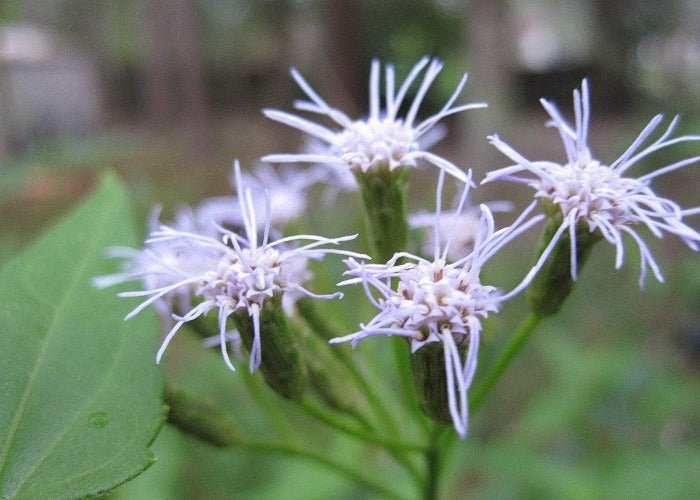
Calea zacatechichi - live plant
Calea zacatechichi - live plant
Live Calea zacatechichi plant, a shrub from Central America in the Asteraceae family. Grown in our greenhouse, without chemical treatment.
Couldn't load pickup availability
Existe aussi

Expédié depuis le Jura - Paiement sécurisé - Retrait possible à Francheville
What you receive
What you receive
- A live, rooted plant
- Sold as an ornamental and botanical collector's plant
- Packaging suited to live plants
Botanical description
Botanical description
Calea zacatechichi is a bushy shrub found from Mexico to Costa Rica, in savanna and dry forest areas. It has oval, toothed leaves with prominent veins, and at the end of its cycle produces small whitish flowers grouped in flower heads.
Its epithet comes from Nahuatl: zacatl, grass, and chichic, bitter. The name describes exactly what you notice when you touch a leaf with the tip of your tongue, a frank bitterness that is the best identifying feature of the species.
Growing
Growing
This is a warm-climate plant, sensitive to frost. In our latitudes, grow it in a pot, outdoors in the warm season, and bring it in before the first cold spells to a bright room.
It wants plenty of light, a free-draining substrate and moderate watering: it copes better with a slight lack of water than with too much. Pinch out the tips to get a bushy habit rather than long, bare stems.
Frequently asked questions
Frequently asked questions
What is the difference between the plant, the dried leaves and the seeds?
Three separate products. This listing offers the live plant, to grow. The dried leaves are collector's plant material. The seeds let you sow it yourself.
Is it frost-hardy?
No. It must be overwintered frost-free, indoors in a bright spot or in a temperate greenhouse.
Why are its leaves so bitter?
It is a characteristic of the species, and the very origin of its Nahuatl name. A Calea that is not bitter is probably not Calea zacatechichi.
Does it grow fast?
Reasonably well in the warm season, much more slowly while overwintering. This is normal, it starts growing again in spring.
This plant is sold as an ornamental and botanical collector's plant. Also worth exploring: our rare plants and our folklore plants.
