

Mandrake (Mandragora officinarum) - seeds
Mandrake (Mandragora officinarum) - seeds
Mandrake (Mandragora officinarum): seeds of the most legend-laden plant in all of European flora, a Mediterranean member of the Solanaceae with a spreading rosette and a large, often forked taproot.
Couldn't load pickup availability
Expédié depuis le Jura - Paiement sécurisé - Retrait possible à Francheville
Toxic plant: read before ordering
Toxic plant: read before ordering
All parts of this plant are toxic, root included. It contains tropane alkaloids, the same families as belladonna and daturas, with serious effects.
- Never ingest, in any form or at any dose
- Do not prepare as an infusion, decoction or maceration
- Handle with gloves and wash your hands afterwards
- Keep out of reach of children and pets
- Do not plant near a vegetable garden: the root can be mistaken for a parsnip or a Hamburg parsley root
- In case of accidental ingestion, immediately call 15 (French emergency services) or a poison control centre
Sale restricted to adults (18 and over).
What you receive
What you receive
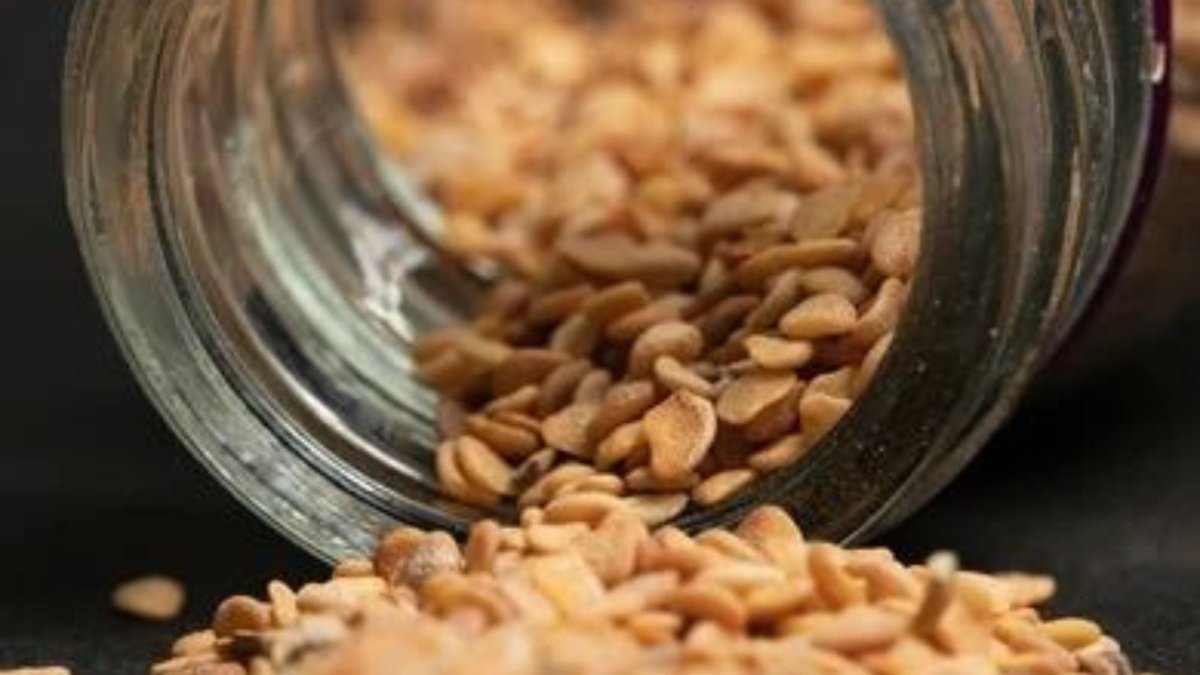
A packet of Mandragora officinarum seeds, 5 or 10 seeds as you choose. They are beige, kidney-shaped and pitted, noticeably larger than those of the other Solanaceae in the catalogue.
Sowing: patience required
Sowing: patience required
This is one of the slowest sowings in the collection. Sow in autumn, in a pot left outdoors all winter, barely covered: prolonged damp cold breaks dormancy, and seedlings emerge in spring, sometimes only the following spring.
If you sow in spring, stratify for six to eight weeks in the refrigerator in damp sand, then sow at 15 to 18 °C. High temperatures block germination.
Expect a moderate, very staggered germination rate. Never empty the seed tray before waiting two seasons.
The mature plant
The mature plant
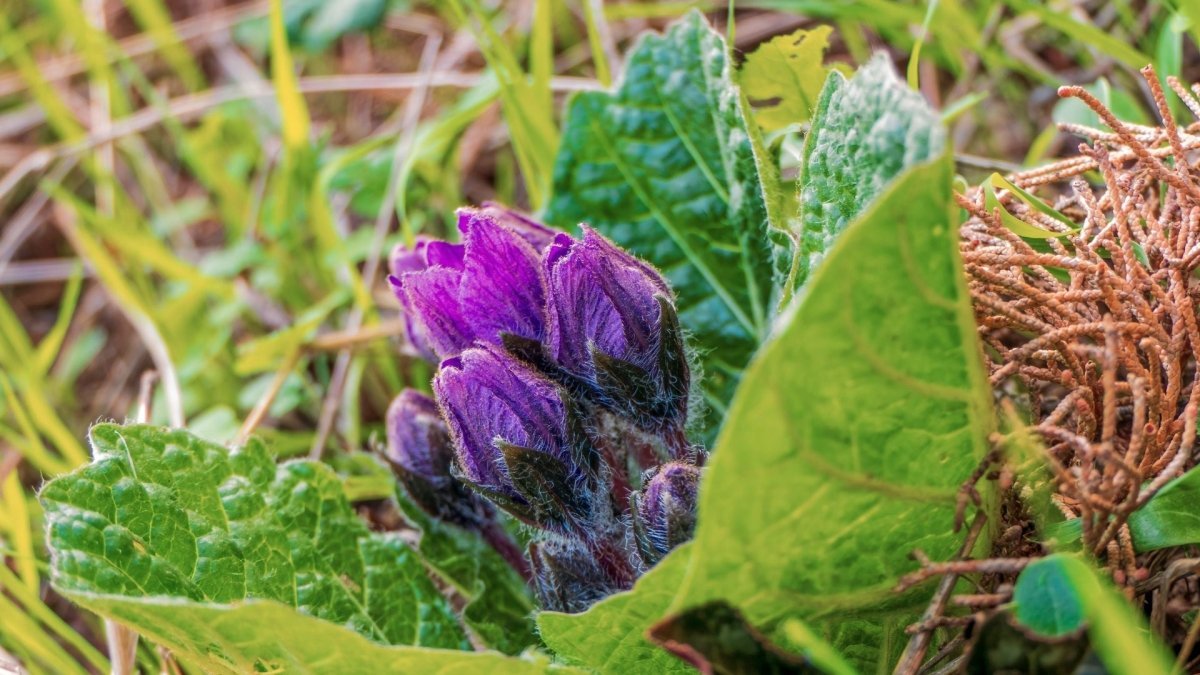
No stem: a basal rosette of large wavy leaves, spread flat on the ground, from which emerge bell-shaped flowers, violet or greenish white, followed by round orange-yellow berries with a strong smell. The rosette develops in autumn and winter, flowers in spring, then disappears completely in summer: it is a plant with a Mediterranean cycle, and its absence in summer is not a sign of decline.
It needs deep, well-drained, stony soil in full sun, and above all room in depth for its taproot. In a pot, choose a tall rather than wide container. It is hardy once established but dislikes standing moisture.
The root and the legend
The root and the legend
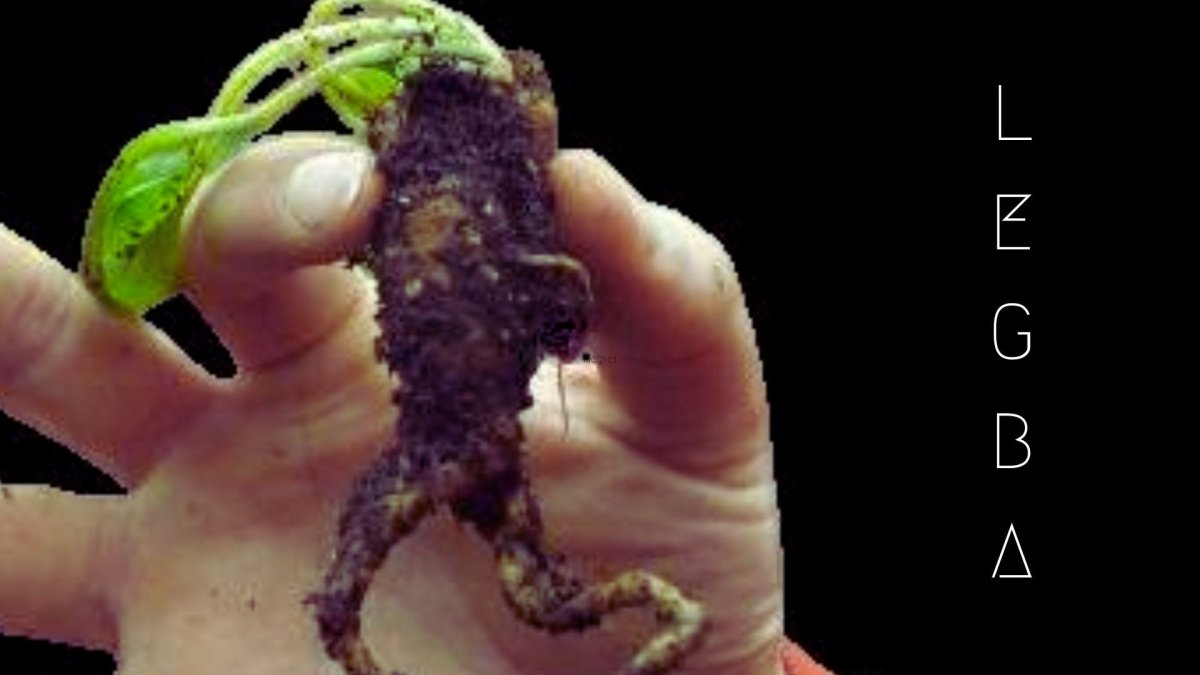
The root, thick and often divided into two branches, sometimes takes on a vaguely human silhouette. That is the whole origin of the myth: in the Middle Ages it was said to grow at the foot of gallows, to scream when pulled up, and that this scream killed whoever heard it, hence the methods for uprooting it with the help of a dog reported in the literature. Its real toxicity obviously fed the reputation.
Collector's seeds
Collector's seeds
These seeds are sold as ornamental and botanical collector's seeds. They are not intended for any consumption or preparation. We provide no dosage, no preparation method and no expected effect.
Frequently asked questions
Frequently asked questions
How long before the characteristic root appears?
Several years. The forked shape appears on older plants, and not systematically: it is an accident of growth, not a guarantee.
Why does it disappear in summer?
Because that is its cycle. It grows in the cool season and goes dormant in the heat, like many Mediterranean plants. Do not water a pot that looks empty.
Which species do you sell?
Mandragora officinarum. The distinction from M. autumnalis is debated among authors, the two names partly covering the same Mediterranean populations.
Is it available as a plant?
Yes, if you do not want to wait for sowing: see mandrake as a live plant.
Also worth exploring: mandrake as a plant, and our other folklore plants.
- 5 stars: 1 (100%)
- 4 stars: 0 (0%)
- 3 stars: 0 (0%)
- 2 stars: 0 (0%)
- 1 star: 0 (0%)
Tout est parfait, plus qu'à attendre 😉😊