
Gotu Kola (Centella asiatica) - dried leaves
Gotu Kola (Centella asiatica) - dried leaves
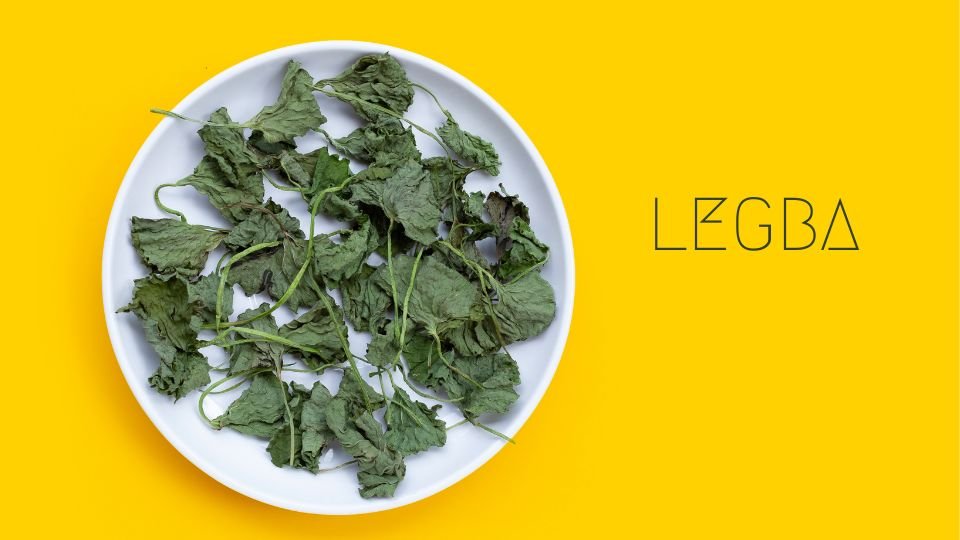
Dried leaves of Centella asiatica, better known by its Sinhalese name, Gotu Kola. Cut leaves, naturally dried, available in 50 g and 100 g.
Couldn't load pickup availability
Existe aussi

Expédié depuis le Jura - Paiement sécurisé - Retrait possible à Francheville
What you receive
What you receive
- Cut dried leaves, 50 g or 100 g
- Naturally dried, no chemical treatment
- Olive green colour, mild vegetal scent
A plant of wetlands
A plant of wetlands
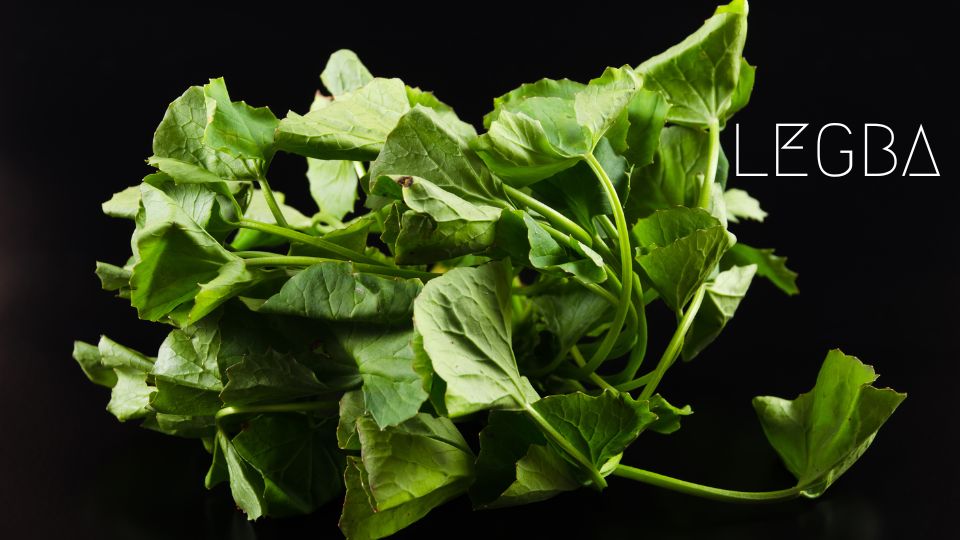
Centella asiatica is a small creeping plant of the Apiaceae family, that of carrots and parsley. It grows close to the ground in the wetlands of South and Southeast Asia, forming mats by means of runners, just like the strawberry plant.
Its leaf is unmistakable: round to kidney-shaped, like a small fan, with veins radiating from the point where the leaf stalk attaches. It is this shape that earned it its English nickname, pennywort, the "penny herb".
Gotu Kola, brahmi, tiger grass: untangling the names
Gotu Kola, brahmi, tiger grass: untangling the names
This plant suffers from a persistent confusion. In India, depending on the region, the name brahmi refers either to Centella asiatica or to Bacopa monnieri, a completely different plant of the Plantaginaceae family. Both are sold under the same trade name, which does not help.
The nickname tiger grass, for its part, comes from a popular observation reported in Southeast Asia, according to which tigers would roll in mats of Centella. It is a traditional image, not a verified fact.
Frequently asked questions
Frequently asked questions
Are Gotu Kola and brahmi the same plant?
Not necessarily. Brahmi refers to Centella asiatica in some regions of India, and to Bacopa monnieri in others. If you are looking for one of the two specifically, rely on the Latin name, not the trade name.
What is the difference between the dried leaves, the plant and the seeds?
Three distinct products. The dried leaves are botanical material for collectors. The live plant is intended for growing. The seeds let you sow it yourself.
How should they be stored?
In an airtight container, away from light and moisture.
Can they be consumed?
No. We sell them as botanical material for collectors, not as a food product, and we do not provide any preparation method.
Collector's product
Collector's product
This plant is sold as botanical material intended for collection, ethnobotanical study and ornamental use. It is not a food product and is not intended for consumption. We provide no dosage, no preparation method and no expected effect. Sale restricted to adults (18 and over).
Also worth exploring: our dried herbs of the world and our plants with traditional uses.
